Evolutio Sports Physio Richmond
  • Home
  • About
  • Services
  • Team
  • Prices
  • FAQs
  • Contact
  • Book In
Home / Services / Dry Needling

Dry Needling · Evolutio Sports Physio Richmond

Dry Needling Richmond Melbourne | Evolutio Sports Physio

Trigger points released. Pain understood.

Dry needling by qualified physiotherapists in Richmond. Used for muscle trigger points, sports injuries, chronic pain and tension headaches. Always part of a comprehensive treatment plan. Never a standalone service.

All practitioners AHPRA-registered Sterile single-use needles only HICAPS private health on the spot No referral needed
Book online now What it treats
Anatomical spine model at Evolutio Sports Physio Richmond, lit by natural skylight, surrounded by Monstera plants

What dry needling is and is not

A Western medicine technique. Not acupuncture.

Dry needling is a therapeutic technique performed by physiotherapists that targets myofascial trigger points — tight, hypersensitive spots within a muscle that cause local pain and characteristic referred pain patterns. Fine sterile needles are inserted directly into these trigger points to elicit a local twitch response, which resets the muscle's resting tone, improves blood flow and reduces pain.

The name "dry" distinguishes it from "wet" needling, where a substance is injected. Nothing is injected during dry needling. Just the mechanical stimulus of the needle itself produces the therapeutic effect.

At Evolutio, dry needling is used within a broader physiotherapy assessment and treatment plan. It is not offered as a standalone appointment. The reason is clinical: dry needling relieves the muscular guarding and pain that prevents effective manual therapy and exercise. It is a tool that makes the rest of the treatment work better, not a treatment in itself.

All practitioners are AHPRA-registered physiotherapists who have completed additional dry needling training through Australian Physiotherapy Association approved courses.

Dry needling vs acupuncture

Treatment
Dry Needling
Treatment
Acupuncture
Framework
Western medicineAnatomy, neuroscience, myofascial pain research
Traditional Chinese MedicineQi energy, meridian pathways, holistic health
Target
Myofascial trigger pointsSpecific tight muscle knots causing local and referred pain
Energy meridiansPoints along pathways mapped in traditional practice
Practitioner
PhysiotherapistAHPRA registered, additional dry needling certification
Acupuncturist or TCM practitionerSeparate training and registration pathway
Evidence
Sports medicine evidence baseSupported by JOSPT and BJSM research
Traditional practice evidenceLong history of use across broad health conditions
Integration
Part of physio planUsed alongside manual therapy, exercise prescription
Standalone or complementaryOften used independently

Book an appointment

Dry needling is included in your physio assessment.

Book a standard initial or follow-up physiotherapy appointment. If dry needling is clinically appropriate for your presentation, it will be incorporated into your session. No separate dry needling booking exists.

Senior Physio — Initial (45 min)$235
Senior Physio — Follow-Up (30 min)$140
Physio — Initial (45 min)$185
Physio — Follow-Up (30 min)$130
No extra charge for dry needlingIncluded

Call 03 9100 3798 or WhatsApp +61 430 436 531. Open Mon to Thu until 7:30pm, Fri until 6pm, Sat until 1pm.

What dry needling treats

Trigger points have patterns. Our practitioners know them.

Dry needling is clinically appropriate for a range of musculoskeletal conditions. In each case it is used alongside, not instead of, manual therapy and targeted exercise.

Neck and shoulder

Neck Pain and Upper Traps

The upper trapezius, levator scapulae and suboccipital muscles are among the most commonly treated areas with dry needling. Trigger points in these muscles produce classic headache patterns, neck stiffness and shoulder blade pain. Common in desk workers, cyclists and overhead sport athletes.

Back

Lower Back Muscle Tension

The erector spinae, quadratus lumborum, multifidus and psoas are frequent sites of trigger point formation in lower back pain presentations. Dry needling reduces the muscular guarding that prevents effective manual therapy and movement retraining. Used alongside our lower back rehabilitation approach.

Hip and glutes

Gluteal and Hip Muscles

Trigger points in the gluteus medius, piriformis and tensor fascia latae produce characteristic referred pain into the hip, posterior thigh and lateral leg. Particularly relevant for runners with IT band syndrome and patients with gluteal tendinopathy or hip impingement.

Running injuries

Calf, Hamstring and ITB

IT band syndrome, calf trigger points contributing to Achilles pain, and hamstring tightness that limits running stride are all commonly treated with dry needling at Evolutio. Used alongside video gait analysis and progressive loading as part of our running injury approach.

Elbow

Tennis and Golfer's Elbow

Lateral and medial epicondylalgia (tennis and golfer's elbow) involve trigger points in the forearm extensors and flexors respectively. Dry needling of the relevant musculature reduces pain and improves tissue extensibility, allowing progressive tendon loading programmes to proceed more effectively.

Headaches

Tension Headaches and Cervicogenic Headache

Suboccipital trigger points are a significant contributor to cervicogenic headache, where the source of head pain is referred from the upper cervical spine and surrounding musculature. Dry needling of the suboccipitals, upper trapezius and sternocleidomastoid often produces rapid improvement in headache frequency and intensity.

Cycling

Cycling-Related Muscle Pain

Cycling generates specific trigger point patterns in the hip flexors (from sustained hip flexion on the bike), lumbar extensors, and neck and shoulder muscles from prolonged upper body position. We work with Ciclo Melbourne on complex cycling cases where bike position and physiology both need addressing.

Shoulder

Rotator Cuff and Shoulder Muscles

The infraspinatus, supraspinatus and subscapularis are common trigger point sites in shoulder impingement, rotator cuff tears and chronic shoulder pain. Dry needling reduces protective muscular guarding around the shoulder joint and improves range of motion prior to targeted strengthening exercises.

CrossFit and strength

Lifting-Related Muscle Tension

Olympic lifting, CrossFit and powerlifting generate significant muscular demand, particularly in the thoracic erectors, lats, glutes and hip flexors. Trigger point accumulation in these muscles affects movement quality and performance. Dry needling is incorporated into broader sports injury management.

What happens during a session

Dry needling at Evolutio, step by step.

Dry needling occurs within your physiotherapy appointment. Here is what the process looks like when it is clinically indicated for your presentation.

01

Assessment and consent

Your physiotherapist assesses your presentation, identifies relevant trigger points through palpation, and explains the dry needling plan including what to expect and any relevant contraindications. Informed consent is obtained before any needling begins.

02

Needle insertion

Fine sterile single-use needles are inserted into the identified trigger points. Most patients feel minimal discomfort at insertion. When the needle reaches the trigger point, a local twitch response — a brief involuntary muscle contraction lasting one to two seconds — often occurs. This twitch is the target of the technique.

03

Treatment and removal

Needles may be left in place for several minutes or manipulated gently to maximise the therapeutic effect. They are then removed and disposed of safely. The area may be gently massaged post-needling. Treatment typically takes 10 to 20 minutes within your overall physio appointment.

04

Integration with your plan

Dry needling is followed immediately by manual therapy or exercise prescription to capitalise on the reduced muscle tension. You receive aftercare instructions and specific exercises. Your physiotherapist monitors your response at the next session and adjusts the plan accordingly.

During treatment

What to expect when dry needling is used.

  • Pinprick at insertionMost patients describe needle insertion as a brief pinprick, lighter than a blood test or vaccination.
  • Local twitch responseWhen the needle reaches a trigger point, an involuntary brief muscle contraction occurs. It lasts one to two seconds and feels like a deep cramp. It is a positive clinical sign.
  • Immediate muscle releaseMany patients feel an immediate reduction in muscle tightness and local ache following the twitch response, sometimes accompanied by warmth in the area.
  • Post-treatment sorenessSome muscle soreness lasting 12 to 48 hours is common, similar to delayed onset muscle soreness after exercise. This typically resolves quickly and is often followed by significant improvement.
  • Possible bruisingMinor bruising at needle sites occurs in some patients, particularly in areas with small blood vessels. This resolves within a few days and is not harmful.

After your session

Aftercare guidance

In the first 24 hours
  • Drink plenty of water to support tissue recovery
  • Gentle movement is encouraged, avoid intense exercise or heavy lifting
  • Apply ice wrapped in a cloth to any sore areas for 10 to 15 minutes if helpful
  • Mild soreness is expected and normal. Do not be alarmed if the area feels temporarily worse before improving.
Following days
  • Return to normal activities as tolerated
  • Complete the home exercise programme prescribed by your physiotherapist
  • Contact us if you experience any unexpected symptoms or reactions
  • Note your response to treatment so you can report back at your next session

The evidence base

What the research actually says.

Dry needling has accumulated a meaningful evidence base over the past two decades, particularly for myofascial pain syndrome, trigger point release, and as an adjunct to exercise therapy for musculoskeletal conditions.

At Evolutio, we use dry needling as part of evidence-based treatment plans, not as a primary standalone intervention. This aligns with the consensus from the research: dry needling is most effective when combined with active rehabilitation, not used in isolation.

We follow the Australian Physiotherapy Association guidelines and maintain current certification through APA-approved continuing education.

Journal of Orthopaedic and Sports Physical Therapy

Systematic review found dry needling is effective for reducing trigger point pain intensity and improving pressure pain thresholds compared to sham treatment. jospt.org

Cochrane Library

Reviews support the use of dry needling combined with exercise as superior to exercise alone for myofascial pain. cochranelibrary.com

International Association for the Study of Pain

Myofascial trigger points are recognised as a significant contributor to both local and referred musculoskeletal pain, supporting targeted intervention. iasp-pain.org

Australian Physiotherapy Association

Provides detailed position statements on dry needling safety, education standards and clinical application for registered physiotherapists. australian.physio

Evolutio Sports Physio Richmond clinic hallway with skylights, timber beams and original artwork
Evolutio upstairs treatment corridor with MABO and Grace Tame artwork
Cycling and running community at Evolutio Sports Physio Richmond
Evolutio apparel and neon logo at Bromham Place Richmond

Safety and suitability

When dry needling is appropriate. And when it is not.

When performed by qualified physiotherapists using sterile single-use needles, dry needling has a strong safety record. All practitioners at Evolutio have completed additional training through APA-approved courses and maintain current certification.

However, dry needling is not appropriate for everyone. At your initial assessment, your physiotherapist will screen for contraindications before incorporating dry needling into your treatment. The following conditions require special consideration or make dry needling inappropriate.

Pregnancy is not an absolute contraindication but requires modification of treatment areas. Specific points on the legs, lower back and sacrum are avoided during pregnancy. We coordinate with your obstetrician or midwife when treating during pregnancy.

If you have a needle phobia, anxiety around medical procedures, or have had a prior adverse reaction to dry needling or acupuncture, please tell us before your appointment. There are effective alternatives for trigger point release including manual pressure therapy and instrument-assisted soft tissue mobilisation.

Contraindications and considerations
  • Needle phobia or significant anxiety about the procedure
  • Blood-thinning medications — discuss with your practitioner first
  • Local infection, skin lesion or open wound at treatment site
  • Lymphoedema in the area to be treated
  • Compromised immune system or active systemic infection
  • Metal allergy (stainless steel needles) — very rare
  • Pacemaker or electrical stimulation device if e-stim used with needling
  • Pregnancy — certain areas avoided, always disclosed prior
  • Children and adolescents — individual assessment required, parental consent mandatory
Possible side effects
  • Post-treatment muscle soreness for 12 to 48 hours (most common, usually mild)
  • Minor bruising at needle insertion sites (resolves within days)
  • Temporary fatigue following treatment (uncommon)
  • Brief lightheadedness immediately post-treatment (rare)

Who performs dry needling at Evolutio

Qualified physiotherapists. No separate dry needling appointments.

All four of our physiotherapists are trained in dry needling and incorporate it where clinically appropriate. You book a standard physio appointment with the practitioner whose expertise best matches your condition.

Bayden Campbell, Co-Clinic Director and Senior Physiotherapist at Evolutio Richmond
Bayden Campbell
Co-Clinic Director · Senior

Nine years experience. Uses dry needling regularly for complex lower back presentations, running-related muscle tension, chronic neck pain, and cases where trigger points are limiting rehabilitation progress.

Book with Bayden
Phill Danzi, Senior Physiotherapist at Evolutio Richmond
Phill Danzi
Co-Clinic Director · Senior · Saturdays

Dual Masters from USyd. Incorporates dry needling for strength sport and AFL presentations, particularly thoracic erectors, hip flexors and shoulder girdle tension in Olympic lifting athletes. Saturday mornings only.

Book with Phill
Kelsi Parker, Physiotherapist at Evolutio Sports Physio Richmond
Kelsi Parker
Physiotherapist

Particularly effective with dry needling for tension headaches, upper trapezius and suboccipital presentations, and running-related gluteal and calf trigger points. Takes a careful, thorough approach to trigger point identification.

Book with Kelsi
Shirouz Elango, Sports and Cycling Physiotherapist at Evolutio Richmond
Shirouz Elango
Physiotherapist · Cycling & TMJ

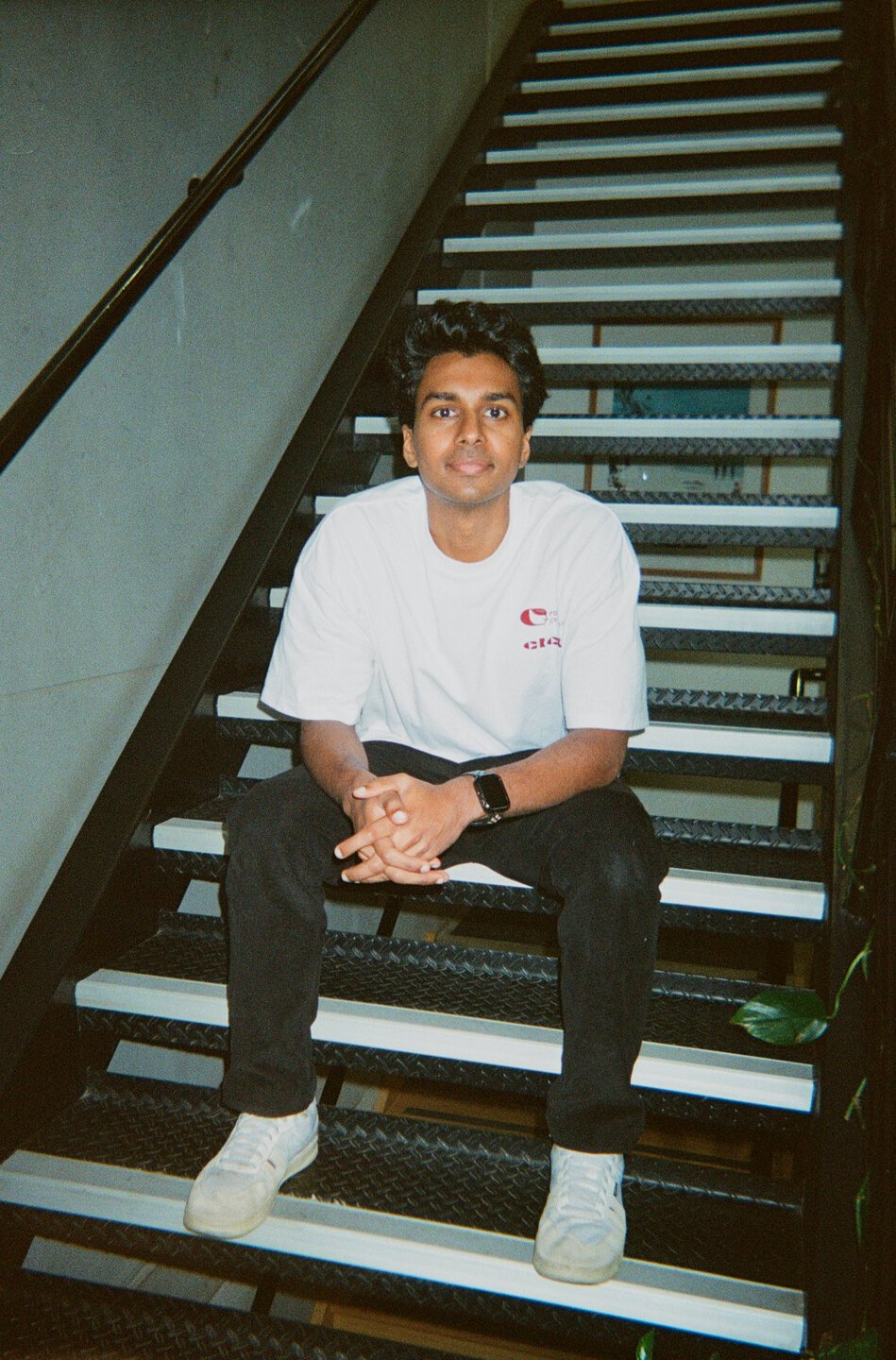
Uses dry needling frequently for cycling-related presentations including hip flexor and lumbar trigger points, and for TMJ and masseter tension in jaw pain and tension headache patients. Ironman 70.3 triathlete and bike fitter.

Book with Shirouz

Not sure which practitioner is right for your condition?

Read our team profiles in full before booking.

Meet the whole team

Common questions

Dry needling questions answered plainly.

Call 03 9100 3798 or WhatsApp +61 430 436 531.

What is dry needling and how is it different from acupuncture?

+

Dry needling is a Western medicine technique performed by physiotherapists targeting myofascial trigger points in specific muscles. It is grounded in anatomy and neuroscience rather than traditional Chinese medicine energy concepts. Both use the same type of fine needle, but the theoretical framework, target points, training pathway and clinical goals are entirely different. Dry needling at Evolutio is always performed by AHPRA-registered physiotherapists with additional dry needling certification.

Does dry needling hurt?

+

Needle insertion causes minimal discomfort — most patients describe it as a light pinprick. When the needle reaches a trigger point, a local twitch response occurs: an involuntary brief muscle contraction lasting one to two seconds that feels like a deep cramp. This twitch is a positive sign indicating the correct location has been reached. Post-treatment muscle soreness for 12 to 48 hours is common and typically mild. Most patients find the overall experience far more comfortable than they anticipated.

How many sessions of dry needling will I need?

+

Because dry needling at Evolutio is incorporated into your broader physiotherapy plan rather than offered as a standalone treatment, the question is better framed as how many physio sessions you will need overall. Most acute trigger point presentations respond within one to three sessions. Chronic or recurring tension patterns require a longer course of treatment that addresses the underlying contributing factors alongside dry needling. Your physiotherapist will give you a specific estimate at your first session.

Is dry needling safe? What are the risks?

+

Dry needling performed by qualified physiotherapists using sterile single-use needles has a strong safety record. The most common side effects are post-treatment muscle soreness and minor bruising, both of which resolve quickly. Serious adverse events are very rare and are far less likely when treatment is performed by a trained, registered practitioner rather than by someone without formal physiotherapy training. All practitioners at Evolutio are AHPRA registered and hold additional dry needling certification through Australian Physiotherapy Association approved courses.

Is dry needling covered by private health insurance?

+

Yes. Dry needling performed within a physiotherapy appointment is typically covered under physiotherapy benefits with most private health funds. At Evolutio, HICAPS processes rebates instantly so you only pay the gap on the day. Dry needling is incorporated into your standard physio appointment with no additional charge. Check your specific fund and level of cover as benefits vary.

Can I book just a dry needling appointment?

+

No. Evolutio does not offer standalone dry needling appointments. Dry needling is incorporated into standard physiotherapy appointments where it is clinically appropriate. This is a deliberate clinical decision: dry needling is most effective as part of a comprehensive treatment plan that includes assessment, manual therapy and exercise prescription. Booking it as a standalone service treats the symptom without addressing the cause, which is not how we work. Book a standard initial or follow-up appointment and your physiotherapist will incorporate dry needling if appropriate for your presentation.

Can dry needling be used during pregnancy?

+

Dry needling can be used during pregnancy but requires modification of treatment areas. Specific points on the lower back, legs and sacrum are avoided. Our practitioners will discuss your stage of pregnancy and any relevant considerations before incorporating dry needling, and will coordinate with your obstetrician or midwife if needed. If you prefer to avoid dry needling during pregnancy entirely, manual pressure therapy (trigger point release using thumb pressure) is an effective alternative for most presentations.

I have a needle phobia. Can I still be treated?

+

Yes. Dry needling is one tool among many, and is never the only way to address trigger points. Manual trigger point pressure therapy using thumb or elbow pressure achieves similar effects for many patients and involves no needles. Tell your physiotherapist before your appointment if you have a needle phobia or significant anxiety about the procedure and they will use alternative techniques without any effect on the quality of your overall treatment.

Related conditions and services

Dry needling is one part of comprehensive care.

These conditions and services are frequently relevant to patients seeking dry needling treatment.

Back pain

Lower Back Pain

Trigger points in the erector spinae, QL and psoas are a central component of many lower back pain presentations.

Back physio
Shoulder

Shoulder and Neck Pain

Upper trap, levator scapulae and rotator cuff trigger points respond well to dry needling as part of shoulder rehab.

Shoulder physio
Running

Running Injuries

IT band, calf, hamstring and glute trigger points are common in runners and frequently treated with dry needling.

Running physio
Massage

Remedial Massage

For patients who prefer manual techniques, our remedial massage service addresses muscle tension without needling.

Remedial massage

Ready to book

Book a physio assessment. Dry needling included if appropriate.

Book a standard initial or follow-up physiotherapy appointment. No referral needed. If dry needling is the right tool for your presentation, your physiotherapist will incorporate it at no extra cost.

Book online now Call 03 9100 3798
Phone
03 9100 3798
WhatsApp
+61 430 436 531
Email
info@evolutio.com.au
Address
11/3 Bromham Place, Richmond
Evolutio Sports Physio Richmond

Fixing Limbs and Mending Hearts since 2013

Address 11/3 Bromham Place, Richmond VIC 3121

Phone 03 9100 3798

WhatsApp +61 430 436 531

Email info@evolutio.com.au

Mon to Thu 8am to 7:30pm  ·  Fri 8am to 6pm  ·  Sat 8am to 1pm

Services

  • Dry Needling
  • Remedial Massage
  • NDIS Physiotherapy
  • Running Physio
  • Cycling Physio
  • ACL Rehabilitation
  • CrossFit Physio
  • AFL Physio

Conditions

  • Back Pain
  • Neck Pain
  • Shoulder Pain
  • Hip Pain
  • Knee Pain
  • Foot and Ankle
  • TMJ and Jaw Pain

The Clinic

  • About Us
  • Our Team
  • Prices 2026
  • Back Pain Guide
  • Running Guide
  • FAQs
  • Book In

© 2026 Evolutio Sports Physio Richmond (Melbourne) Independent sports physiotherapy clinic est. 2013

Privacy Contact Home
0